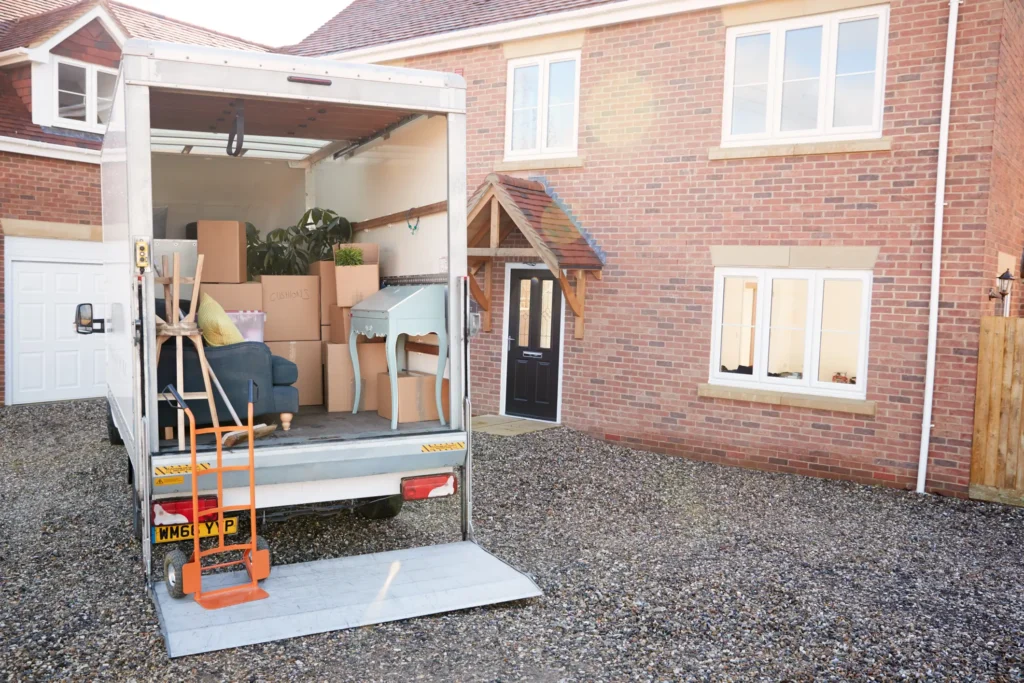
Packing your home properly is one of the most important steps when preparing for a move. Done well, it protects your belongings, keeps the process organised and makes unpacking in your new home far easier. Done poorly, it can lead to broken items, damaged furniture and unnecessary stress on moving day.
Many people underestimate how long packing takes or how much preparation it requires. With a clear plan and the right materials, however, you can pack your home efficiently and make the entire moving process much smoother.
This guide explains how to pack your home step by step so that everything arrives safely at your new property.
When Should You Start Packing for a Move?
One of the most common mistakes people make is leaving packing too late. Packing an entire home always takes longer than expected, especially once you begin sorting through cupboards, wardrobes and storage spaces.
Starting early allows you to pack gradually and stay organised.
Around four weeks before your move, begin by packing items you rarely use. Seasonal decorations, spare bedding, books and storage items can all go into boxes early.
Two weeks before moving day, you should start packing the majority of your belongings. Focus on rooms such as spare bedrooms, home offices and storage areas.
During the final week before your move, pack everyday household items while leaving essential belongings accessible. This gradual approach helps prevent the last-minute rush that often makes moving stressful.
What Packing Supplies Do You Need?
Before you begin packing, make sure you have the right materials ready. Proper packing supplies protect your belongings during transport and help keep boxes secure.
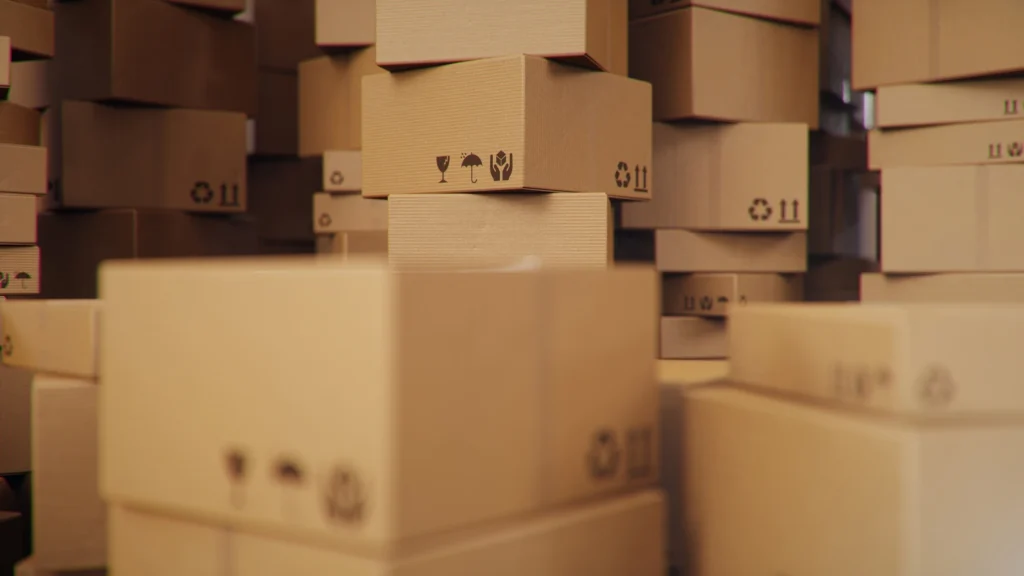
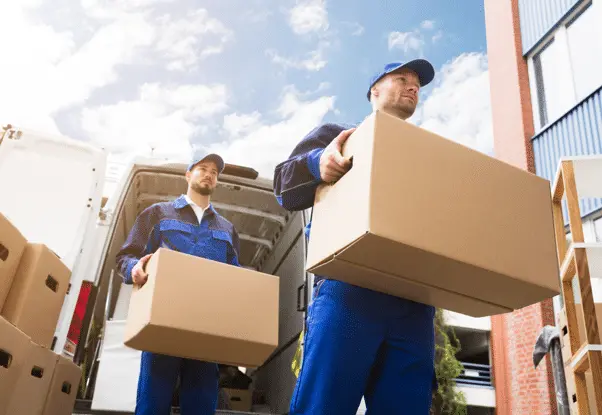
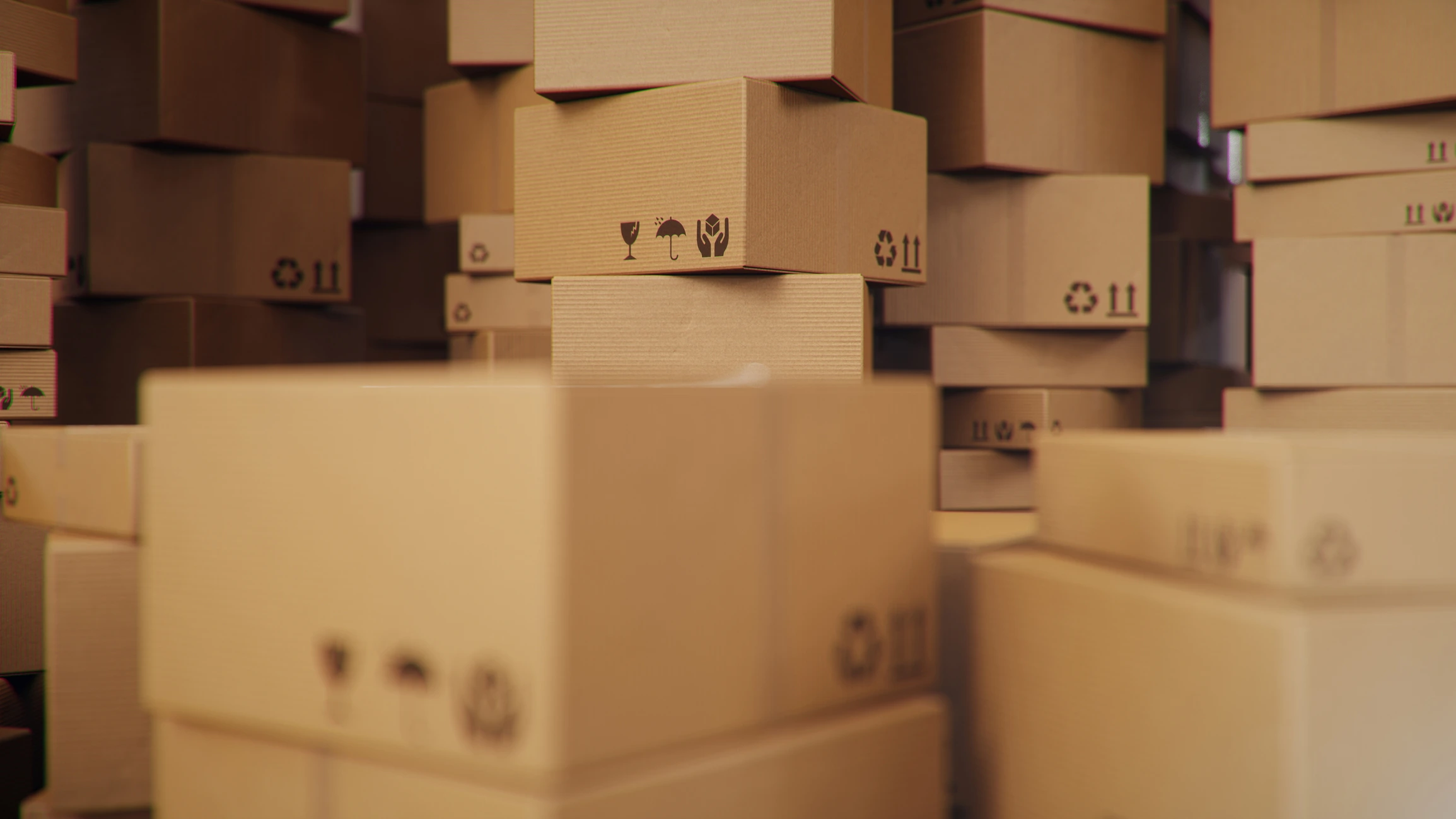
Strong moving boxes are essential. Using boxes designed for moving ensures they can support the weight of your belongings without collapsing. It also allows removal teams to stack them safely inside the vehicle.
Packing tape keeps boxes sealed and prevents them from opening during transport. Bubble wrap and packing paper protect fragile items such as glassware, electronics and ornaments.
Labels or marker pens also play an important role. Clearly labelled boxes make it easier to identify contents and place them in the correct room at your new property.
Having these supplies ready before you begin will make the entire packing process faster and more organised.
How to Pack Boxes Properly
Packing boxes correctly protects your belongings and makes lifting them safer. Poorly packed boxes can break open or damage items during transport.
Start by placing heavier items at the bottom of the box. This creates a stable base and prevents lighter items from being crushed.
Avoid overfilling boxes. If a box becomes too heavy, it will be difficult to lift and may tear during the move. Keeping box weight manageable protects both your belongings and the people carrying them.
Fill any empty spaces inside the box using packing paper or soft materials. This prevents items from moving during transport.
Finally, seal each box securely with strong packing tape and label it clearly with the room it belongs to.
How to Pack Fragile Items Safely
Fragile items require extra care when packing. Glassware, ceramics and electronics can easily break if they move during transport.
Wrap each fragile item individually with bubble wrap or packing paper. Plates should be stacked vertically rather than flat, as this reduces pressure on the surface.
Use extra padding between items and ensure there is no empty space inside the box. If items can move inside the box, they are far more likely to break.
Once packed, clearly label the box as fragile so that it receives extra care when being moved.
How to Pack Furniture for Moving
Large furniture items require preparation before moving day arrives. Trying to move furniture without planning can make the process slower and more difficult.
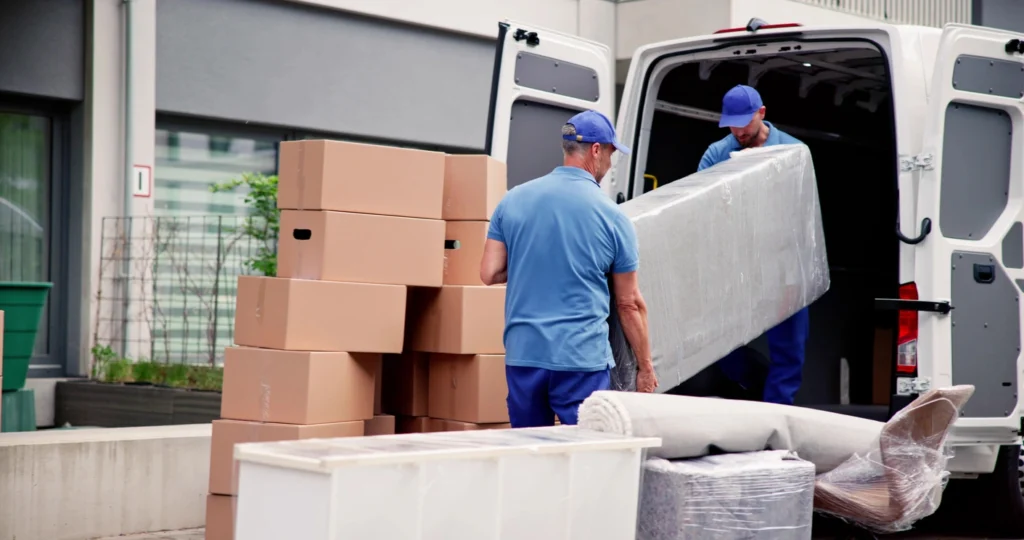
If possible, dismantle large items such as bed frames, wardrobes and tables. This makes them easier to transport and reduces the risk of damage.
Protect furniture surfaces with blankets or covers to prevent scratches during the move. Mattresses and sofas should also be covered to keep them clean during transport.
Keep screws, fittings and small parts in labelled bags so they are easy to find when you begin reassembling furniture in your new home.
Professional removal companies often provide the equipment and experience needed to handle large furniture safely, which can make this part of the move much easier.
How to Label Boxes for an Easier Move
Labelling boxes properly saves a huge amount of time during both unloading and unpacking.
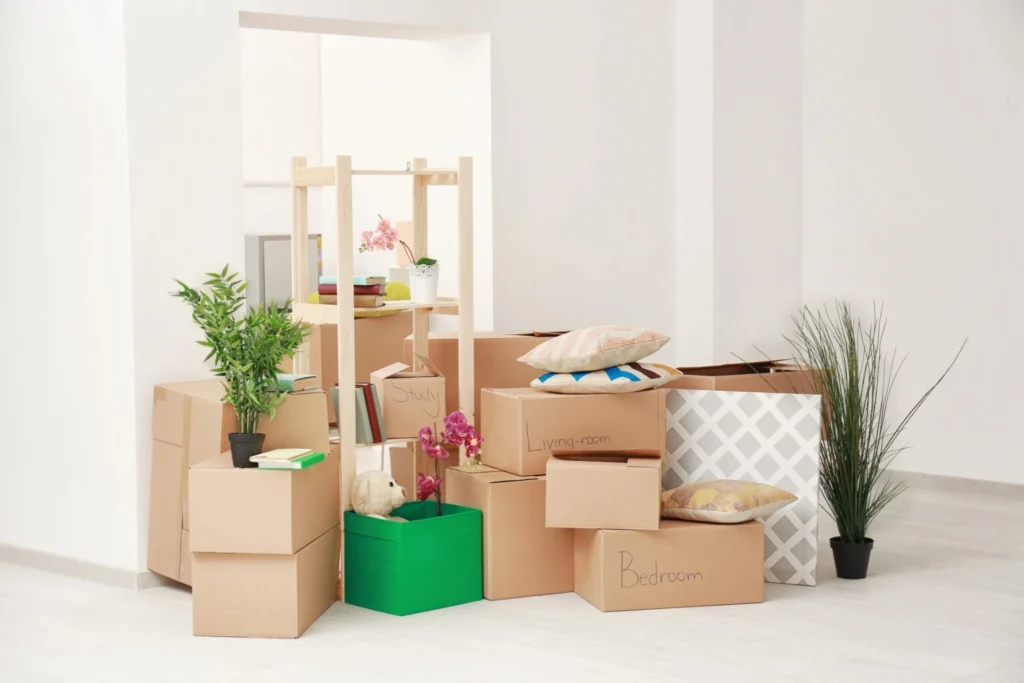
Each box should include the name of the room it belongs to and a brief description of its contents. For example, writing “Kitchen – Plates and Bowls” makes it much easier to identify what is inside.
This also helps removal teams place boxes in the correct rooms when they arrive at your new property. Instead of moving boxes from room to room later, everything will already be where it belongs.
Clear labelling keeps the entire move organised and makes unpacking far more efficient.
What Should You Pack Last?
Some items should remain accessible until the final stage of the move. Packing everything too early can leave you searching through boxes for everyday essentials.
Items such as toiletries, medication, phone chargers and basic kitchen supplies should stay out until the last day.
Preparing an essentials box is a simple solution. This box should contain everything you will need during the first evening in your new home.
Having these items easily available helps you settle in without unpacking multiple boxes immediately.
Should You Pack Yourself or Use a Removal Company?
Many people choose to pack their belongings themselves, especially for smaller moves. With the right materials and preparation, this can work well.
At AVM Storage, we can provide packing services that save time and protect belongings more effectively. Our experienced movers know how to wrap fragile items, organise boxes and secure furniture properly for transport.
For larger homes or complex moves, professional packing can make the entire process faster and far less stressful.
Get Expert Packing Tips from Our Expert Team
Packing your home properly protects your belongings and makes moving day far easier to manage. Starting early, using the right materials and staying organised all help ensure everything arrives safely at your new home.
If you are preparing for a move and want expert support, our team can help. Our professional house removal services ensure your belongings are transported safely and efficiently, allowing you to focus on settling into your new home.